Retaining Wall Contractor Hillsboro OR and Installation Repair
When it comes to landscaping services, the role of a retaining wall contractor cannot be overlooked. Retaining wall contractors are dedicated professionals who specialize in the construction of retaining walls to address erosion control, drainage, and land conservation. In this article, we will explore the significance of retaining wall contractors and the various aspects associated with their services. Whether you’re considering a retaining wall construction project or seeking maintenance tips, this guide aims to provide valuable insights and detailed information.
What is a Retaining Wall Contractor?
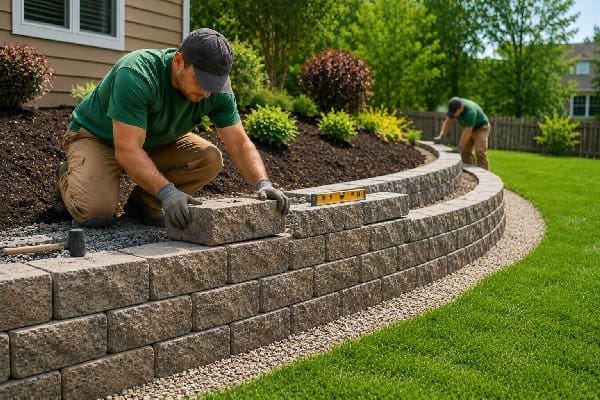
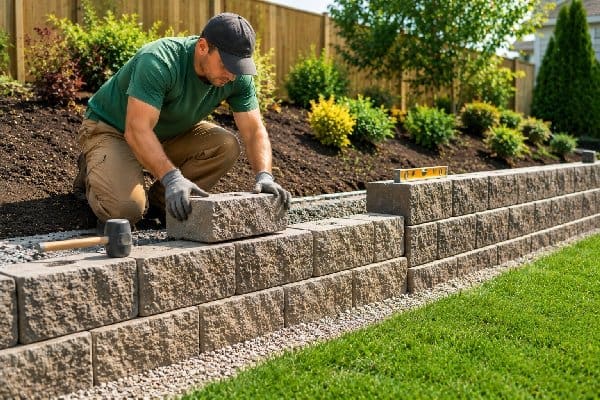
A retaining wall contractor is a knowledgeable and skilled professional responsible for the design, construction, and maintenance of retaining walls. These walls serve a crucial purpose in preventing soil erosion, managing drainage, and creating terraced landscapes. Their expertise extends to masonry, concrete work, and landscaping, enabling them to construct durable and functional walls that enhance the aesthetics and functionality of outdoor spaces. Let’s delve deeper into what makes a retaining wall contractor an essential part of outdoor construction projects:
- Design Expertise: Retaining wall contractors are adept at analyzing the specific needs of a landscape and designing custom solutions that align with the natural terrain and the client’s preferences.
- Construction Proficiency: These professionals possess the technical skills and knowledge to execute construction tasks, including masonry and concrete work, ensuring the structural integrity and stability of the retaining walls.
- Landscaping Vision: A key aspect of their role is to integrate the retaining walls seamlessly into the overall landscape design, creating visually appealing terraced or leveled areas that enhance the outdoor environment.
- Drainage and Erosion Management: Retaining wall contractors understand the principles of drainage and erosion control, implementing solutions to manage water runoff and prevent soil degradation.
- Regulatory Compliance: They are knowledgeable about the local regulations and permits required for constructing retaining walls, ensuring that the projects adhere to legal standards and environmental considerations.
- Maintenance Recommendations: In addition to their construction expertise, these professionals provide valuable insights into the maintenance and care of retaining walls, offering tips and guidelines for preserving the walls’ longevity and functionality.
Benefits of Hiring a Retaining Wall Contractor
Engaging the services of a retaining wall contractor offers numerous benefits, including expert guidance, quality workmanship, and efficient project management. These professionals are well-versed in identifying the specific needs of each project and implementing customized solutions to address erosion, water drainage, and landscape conservation. By hiring a retaining wall contractor, property owners can ensure the use of durable materials, adherence to regulatory standards, and precise execution of construction or repair tasks.
Factors to Consider When Choosing a Retaining Wall Contractor
When selecting a retaining wall contractor, several factors warrant consideration to ensure the success of the project. These include the contractor’s experience, credentials, portfolio of previous work, adherence to local regulations, approach to material selection, communication, transparency, and the ability to understand and fulfill the client’s requirements. By evaluating these factors, property owners can engage a contractor who aligns with their vision and possesses the expertise to deliver exceptional results.
- Experience: Look for a contractor with proven experience in building retaining walls. An experienced contractor is better equipped to handle various challenges and ensure the success of the project.
- Credentials: Check the contractor’s credentials, including licenses, certifications, and affiliations with professional organizations. This ensures that the contractor meets industry standards and has the necessary qualifications.
- Portfolio of Previous Work: Review the contractor’s portfolio to assess the quality of their previous projects. Look for diverse examples that showcase their expertise in designing and constructing different types of retaining walls.
- Adherence to Local Regulations: A reliable contractor should have a solid understanding of local building codes and regulations concerning retaining walls. Compliance with these regulations is crucial to avoid legal issues and ensure the safety and stability of the structure.
- Material Selection: Discuss the contractor’s approach to material selection. They should be knowledgeable about the various materials available for building retaining walls and capable of guiding property owners in making informed decisions based on site-specific requirements.
- Communication and Transparency: Effective communication and transparency are essential for a successful partnership. Choose a contractor who maintains open lines of communication, provides regular project updates, and is transparent about project timelines, costs, and any potential challenges.
- Client Requirements: A reliable contractor understands the importance of fulfilling the client’s requirements. They should actively listen to the client’s vision, preferences, and concerns, and work towards delivering a retaining wall that aligns with their expectations.
Common Questions About Retaining Wall Contractors
1. What are the Different Types of Retaining Walls?
- Gravity Walls: These walls rely on their own weight to resist the pressure of soil and are typically made of concrete, stone, or brick.
- Cantilever Walls: Constructed with a base slab and an upright stem that provides support, making them suitable for medium to high retaining wall structures.
- Anchored Walls: Featuring cables or strips that connect to the soil or rock behind the wall, providing additional lateral support and stability for taller walls.
- Crib Walls: Comprised of interlocking blocks or timbers, these walls offer a flexible and cost-effective solution for retaining soil and creating terraces.
When planning a retaining wall, it’s essential to consider the specific requirements of the site, including soil conditions, slope, and water drainage. Each type of retaining wall presents unique advantages and considerations, catering to different project needs and environmental factors.
2. How to Identify a Professional Retaining Wall Contractor
Identifying a professional retaining wall contractor goes beyond a simple search for available services. It involves a thorough assessment of various factors that signify expertise, reliability, and transparency. Here’s a detailed guide on how to identify a professional retaining wall contractor:
- Portfolio of Successful Projects: A professional retaining wall contractor will have a robust portfolio showcasing a diverse range of successful projects. This portfolio reflects their experience, expertise, and ability to handle various types of terrain and design requirements.
- Credentials and Certifications: Look for contractors who hold relevant certifications and credentials in the field of landscape construction and engineering. These certifications validate their knowledge and adherence to industry standards.
- Industry Affiliations: Affiliations with reputable industry organizations and associations indicate a commitment to professional development, ethical practices, and continuous learning. Contractors who are members of such organizations often adhere to higher standards of workmanship and business conduct.
- Clear Communication: A professional contractor communicates clearly and effectively. They provide detailed project proposals, offer transparent estimates, and are open to addressing any questions or concerns related to the project.
- Legal Compliance: Professional retaining wall contractors ensure legal compliance by obtaining the necessary permits and adhering to building regulations. They are well-versed in local regulations and zoning requirements, ensuring that the project meets all legal standards.
- Commitment to Quality: Dedication to using high-quality materials and implementing best practices is a hallmark of professional contractors. They prioritize durability, functionality, and aesthetics, ensuring that the retaining wall not only serves its purpose but also enhances the overall landscape.
3. Understanding Permits and Regulations for Retaining Walls
Retaining wall construction may be subject to specific permits and regulatory requirements, depending on the location and scope of the project. Understanding these regulations is essential to ensure compliance and avoid potential legal issues. A reputable retaining wall contractor assists property owners in navigating the permit application process, obtaining approvals, and adhering to zoning and construction regulations. By addressing regulatory aspects proactively, the contractor minimizes the risk of delays or complications during the construction phase.
- Types of permits required for retaining wall construction
- Regulatory considerations based on the location of the project
- Importance of compliance with zoning and construction regulations
- Role of a reputable retaining wall contractor in the permit application process
- Minimizing construction phase complications through proactive regulatory planning
4. Factors Affecting the Cost of Retaining Wall Construction
Factors Affecting the Cost of Retaining Wall Construction
The cost of retaining wall construction is influenced by various factors such as wall height, materials, site accessibility, soil conditions, and labor. Additionally, the complexity of the design, drainage considerations, and the need for reinforcement impact the overall project cost. Working closely with a knowledgeable contractor enables property owners to assess these cost factors accurately and make informed decisions regarding the budget and scope of the retaining wall project.
- Wall Height: The height of the retaining wall has a significant impact on the overall cost. Taller walls require more materials, labor, and often need additional reinforcement for stability.
- Materials: The choice of materials, such as concrete blocks, natural stone, or timber, affects the cost. Each material has different durability, aesthetic value, and installation requirements, which contribute to the overall expense.
- Site Accessibility: The ease of access to the construction site influences the cost. Difficult-to-reach locations may require specialized equipment or additional labor, increasing the project cost.
- Soil Conditions: The type and condition of the soil where the retaining wall will be constructed affect the cost. Poor soil quality might require additional measures such as drainage systems or soil stabilization, adding to the overall expense.
- Labor: Skilled labor is essential for constructing a durable and long-lasting retaining wall. The labor cost is influenced by factors such as experience, availability, and the intricacy of the construction.
- Design Complexity: Intricate designs, curves, or terracing increase the complexity of installation and impact the overall cost of the project.
- Drainage Considerations: Proper drainage is crucial for the stability and longevity of a retaining wall. Drainage solutions such as weep holes, French drains, or gravel backfill add to the cost but are essential for preventing structural damage.
- Reinforcement Needs: Depending on the wall’s height and soil conditions, reinforcement through geogrids, tiebacks, or anchors may be necessary, contributing to the project expense.
5. Tips for Maintaining a Retaining Wall
Proper maintenance is essential for preserving the structural integrity and visual appeal of retaining walls. Regular inspections, cleaning of drainage systems, and prompt repairs of any damage or erosion are vital maintenance practices. Retaining wall contractors can provide valuable guidance on maintenance routines, identifying warning signs of erosion, and implementing effective maintenance strategies. By following these tips, property owners can ensure the longevity and durability of their retaining walls.
Conclusion
In conclusion, the role of a retaining wall contractor is paramount in addressing erosion control, land conservation, and drainage management through the construction of robust and aesthetically pleasing retaining walls. By understanding the benefits of engaging a professional contractor, the factors to consider when choosing one, and the nuances of retaining wall construction and maintenance, property owners can make informed decisions that result in reliable and durable retaining wall solutions. The expertise of retaining wall contractors contributes significantly to the preservation and enhancement of outdoor spaces, making them indispensable partners in landscaping and land conservation projects.