Expert Tips for Irrigation Repair and maintenance in Hillsboro OR
Welcome to our comprehensive guide on irrigation repair. In this article, we will delve into the intricacies of irrigation repair, covering the common issues, repair techniques, and the importance of timely maintenance. Whether you’re considering DIY repair or hiring professional services, this guide will equip you with the knowledge you need to make informed decisions. Let’s explore the world of irrigation repair and discover the best practices for ensuring the efficiency and longevity of your irrigation system.
Understanding Irrigation Repair
What is Irrigation Repair?
Irrigation repair involves a comprehensive process of identifying, diagnosing, and resolving issues within an irrigation system to restore its optimal functionality and efficiency. This essential maintenance practice ensures that the system consistently delivers the necessary amount of water to the intended areas, promoting healthy plant growth and landscape maintenance. Whether it’s a small residential garden or a large agricultural field, irrigation repair plays a critical role in sustaining green spaces and maximizing water conservation.
- Identifying Issues: A thorough examination of the entire irrigation system is conducted to identify any leaks, malfunctions, or areas of inefficiency. This includes inspecting pipes, valves, controllers, and emitters for signs of damage, blockages, or wear.
- Diagnosing Problems: Once issues are identified, a detailed analysis is performed to determine the root cause and extent of the problems. Factors such as water pressure, soil type, plant requirements, and climate conditions are considered to provide accurate diagnoses.
- Resolving the Issues: Based on the diagnosis, appropriate actions are taken to address the problems. This may involve repairing leaks, replacing faulty components, adjusting water distribution, or recalibrating the control system to ensure precise and efficient irrigation.
Common Issues with Irrigation Systems
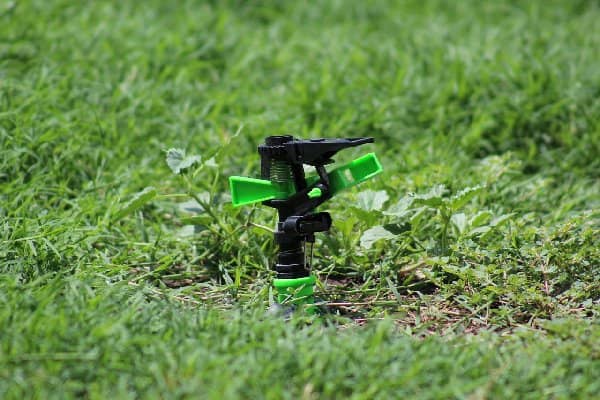
Irrigation systems commonly encounter issues such as clogged or broken sprinkler heads, leaks in the irrigation lines, uneven water distribution, and malfunctioning controllers. These issues can lead to water wastage, uneven watering, and compromised plant health.
Importance of Timely Irrigation Repair
Timely irrigation repair is vital for maintaining the health of plants, conserving water, and ensuring the overall efficiency of the system. It plays a critical role in preserving the beauty and functionality of landscapes and gardens. Addressing issues promptly can prevent water loss, ensure that plants receive the appropriate amount of water, and contribute to a thriving and sustainable environment.
- Prevents Water Waste: By fixing leaks, clogs, and malfunctioning components, timely irrigation repair minimizes water wastage, leading to cost savings and environmental conservation.
- Promotes Plant Health: Properly functioning irrigation systems deliver consistent water supply, fostering healthy growth and development of plants, enhancing their resistance to pests and diseases.
- Enhances Landscape Aesthetics: Healthy plants and lush greenery, achieved through timely irrigation repair, create visually appealing and vibrant outdoor spaces, boosting property value and curb appeal.
- Improves System Longevity: Regular maintenance and prompt repairs extend the lifespan of the irrigation system, reducing the need for costly replacements and overhauls.
In addition to addressing issues as they arise, implementing preventive measures can further enhance the effectiveness of irrigation repair. Regular system inspections, cleaning of filters and nozzles, and prompt replacement of damaged components are essential practices for maintaining a reliable irrigation system.
DIY vs. Professional Repair
Pros and Cons of DIY Irrigation Repair
When it comes to irrigation repair, the option of tackling the task yourself has both positive and negative aspects. Let’s take a closer look at the pros and cons of DIY irrigation repair:
- Cost Savings: DIY irrigation repair allows homeowners to save money by avoiding professional service fees. By investing time and effort, homeowners can complete repairs without incurring labor costs.
- Hands-On Approach: For those who enjoy the satisfaction of accomplishing tasks independently, DIY irrigation repair offers the opportunity to take a hands-on approach to addressing minor issues within the system.
- Flexibility: DIY repair allows homeowners to work on their own schedule without having to wait for a professional service appointment.
- Time and Knowledge: Undertaking DIY irrigation repair requires time, knowledge, and the availability of tools. Homeowners must be willing to invest the necessary time to research, learn, and implement the repair process.
- Risk of Errors: Without professional expertise, there is a risk of making errors during the repair process. These mistakes could potentially lead to larger issues that may require professional assistance.
- Limited Scope: While DIY repair may be suitable for simple fixes, complex issues within the irrigation system may necessitate professional expertise.
Considering these aspects, homeowners should assess their comfort level, time availability, and the complexity of the repair before deciding whether to pursue DIY irrigation repair or seek professional assistance.
Benefits of Hiring Professional Irrigation Repair Services
Professional irrigation repair services offer expertise, specialized equipment, and efficient solutions for complex irrigation system issues. Hiring professionals can result in precise diagnostics, timely repairs, and long-term maintenance plans, ensuring the sustained performance of the irrigation system.
Assessment and Troubleshooting
Evaluating Irrigation System Problems
When evaluating irrigation system problems, it’s essential to conduct a comprehensive assessment that delves into various aspects of the system. In addition to the initial inspection of sprinkler heads and irrigation lines, a more in-depth analysis can reveal underlying issues that might not be immediately apparent. Here are the key steps to consider during the evaluation process:
- Sprinkler Head Inspection: Carefully examine each sprinkler head to ensure they are positioned correctly and free from debris or damage. Check for clogging, misalignment, or uneven water distribution, as these issues can impact the efficiency of the irrigation system.
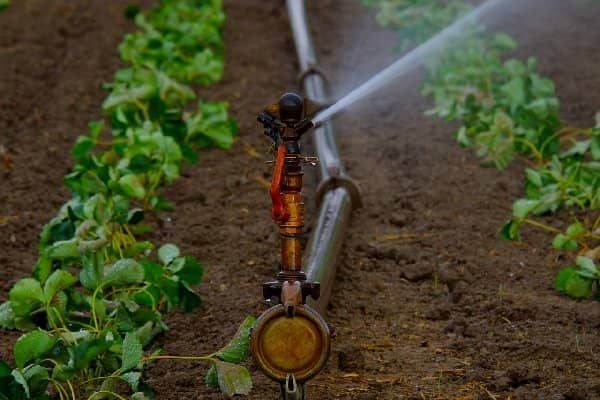
- Irrigation Line Examination: Thoroughly inspect the condition of irrigation lines, looking for signs of wear, leaks, or deterioration. Identifying weak points, damaged sections, or potential areas of blockage is crucial for maintaining the integrity of the system.
- Controller Functionality Check: Assess the functionality of the irrigation controller, ensuring that it is programmed correctly and operating as intended. Verify the scheduling, timing, and watering zones to identify any discrepancies or malfunctions that may affect overall system performance.
Furthermore, an in-depth evaluation involves assessing the distribution of water, coverage uniformity, and the overall efficiency of the irrigation system. Addressing areas of inefficiency, leaks, or blockages is vital for determining the scope of repair needed and optimizing the system’s performance.
Identifying Leaks and Blockages
Identifying Leaks and Blockages
Leak detection and blockage identification are essential aspects of troubleshooting irrigation systems. By locating and addressing leaks and blockages, water conservation is promoted, and the system’s efficiency is enhanced, contributing to sustainable water usage.
Troubleshooting Irrigation Controller Issues
When it comes to troubleshooting irrigation controller issues, there are several key areas to focus on in order to ensure the efficient and effective operation of the system. Let’s delve into the detailed process of identifying, diagnosing, and resolving common irrigation controller problems.
- Examine the programming settings of the irrigation controller to verify that the schedule aligns with the specific requirements of the landscape.
- Ensure that each zone is programmed with accurate time settings and duration, taking into account factors such as the type of vegetation and soil moisture levels.
- Check the power source of the irrigation controller, including the wiring and electrical connections, to identify any potential issues with the supply of electricity.
- Verify that the controller is receiving consistent power and that there are no disruptions or fluctuations in the electrical supply.
- Inspect the sensors integrated with the irrigation system to ensure their proper functioning, including rain sensors, soil moisture sensors, and weather sensors.
- Calibrate and test the sensors to confirm that they are accurately detecting environmental conditions and transmitting signals to the controller.
Resolving irrigation controller issues is essential for maximizing the effectiveness and efficiency of the watering schedule. By meticulously examining the programming, power supply, and sensor functionality, it is possible to pinpoint and address potential problems that may hinder the optimal performance of the irrigation system.
Repair Techniques and Best Practices
Replacing Irrigation Sprinkler Heads
Replacing malfunctioning or damaged sprinkler heads is an essential aspect of irrigation system maintenance. This process not only ensures efficient water distribution but also contributes to the overall health and aesthetics of the landscape. Let’s dive deeper into the steps involved in replacing irrigation sprinkler heads:
- Evaluation: Begin by evaluating the malfunctioning sprinkler head, considering factors such as water flow, spray pattern, and any physical damage.
- Selection of Replacements: Choose suitable replacement sprinkler heads that are compatible with the existing system and provide the desired spray pattern and coverage.
- Adjustment: After installing the new sprinkler head, adjust the height, rotation, and spray pattern to ensure optimal water distribution and coverage across the landscape.
- Alignment: Properly align the sprinkler heads to achieve uniform water distribution and prevent over-saturation or under-watering in specific areas.
- Testing: Conduct a thorough evaluation of the replaced sprinkler heads to confirm proper operation and coverage, making adjustments as necessary.
Repairing Drip Irrigation Lines
Drip irrigation systems are a cost-effective and efficient way to water plants, but they require regular maintenance to ensure optimal performance. When it comes to repairing drip irrigation lines, attention to detail is crucial for preserving water resources and protecting the landscape. Here’s a detailed guide to identifying and fixing common issues with drip irrigation lines:
- Identifying Leaks: Start by inspecting the entire length of the tubing for any signs of moisture, especially around connectors and emitters. Use a paper towel or tissue to detect subtle leaks that might not be immediately visible. Mark the leaks for repair.
- Fixing Damaged Tubing: Small cracks or cuts in the tubing can lead to significant water loss. Cut out the damaged section and use a coupling or repair connector to join the ends of the tubing securely. Make sure the repaired section is properly supported and buried to prevent future damage.
- Replacing Faulty Emitters: Emitters are responsible for delivering water to individual plants. If an emitter is malfunctioning or emitting water unevenly, it can lead to overwatering or underwatering of plants. Check each emitter for clogs, damage, or uneven flow and replace any faulty ones with new emitters suitable for the specific irrigation needs of the plants.
Adjusting Irrigation System Pressure
Optimal irrigation system pressure is essential for efficient water distribution. Adjusting pressure valves and regulators to align with specific landscape requirements ensures that plants receive adequate water while minimizing water runoff and oversaturation.
Maintenance and Preventive Care
Seasonal Irrigation System Maintenance
Conducting seasonal maintenance involves inspecting the entire irrigation system, cleaning components, adjusting settings, and replacing worn-out parts. This proactive approach prolongs the system’s lifespan and optimizes its performance throughout varying weather conditions.
Preventive Measures for Irrigation System Efficiency
Implementing preventive measures, such as installing moisture sensors and adjusting watering schedules based on plant needs, contributes to water conservation and efficient irrigation. These measures also minimize the occurrence of potential issues, ensuring consistent system functionality.
- Regular Inspection and Maintenance: Conduct routine inspections of irrigation components, including pipes, valves, and sprinkler heads. Replace faulty or damaged parts to prevent water wastage.
- Use of Weather Data: Utilize weather forecasts and historical data to adjust irrigation schedules, taking into account factors such as rainfall and evapotranspiration rates.
- Soil Moisture Monitoring: Install soil moisture sensors to assess the water content at root level, allowing for precise irrigation adjustments and preventing both overwatering and underwatering.
- Zoning and Plant-Specific Irrigation: Divide the irrigation system into zones and tailor watering schedules to meet the specific needs of
different plant types, ensuring optimal growth and minimizing water usage.
- Pressure Regulation: Implement pressure regulators to maintain consistent water pressure, reducing the risk of pipe leaks and ensuring efficient water delivery to plants.
Conclusion
In conclusion, understanding the intricacies of irrigation repair is essential for maintaining the efficiency and performance of your irrigation system. Whether addressing common issues, evaluating the repair approach, or implementing preventive measures, a well-maintained irrigation system enhances the health and beauty of your landscape. By incorporating best practices and timely maintenance, you can ensure that your irrigation system continues to provide value and sustainable water usage.